Choosing Courage: What It Will Take To Advance Women’s Equality
by Marianne Schnall / Category: Activism, Culture, Gender-Based Violence, Global, Men & Masculinity, Women's Rights / Resource Type: Interview
Conversations with advocates, survivors and changemakers, who recently gathered for Equality Now’s Make Equality Reality Gala, offer insights on how to build a more equitable future.
At a time when women’s rights are facing significant challenges around the world, having the courage to stand up for gender equality feels especially urgent. Courage can take many forms—from survivors who have transformed personal experiences into calls for justice to advocates and leaders challenging entrenched systems. But what does it take to translate individual acts of bravery into lasting cultural and systemic change?
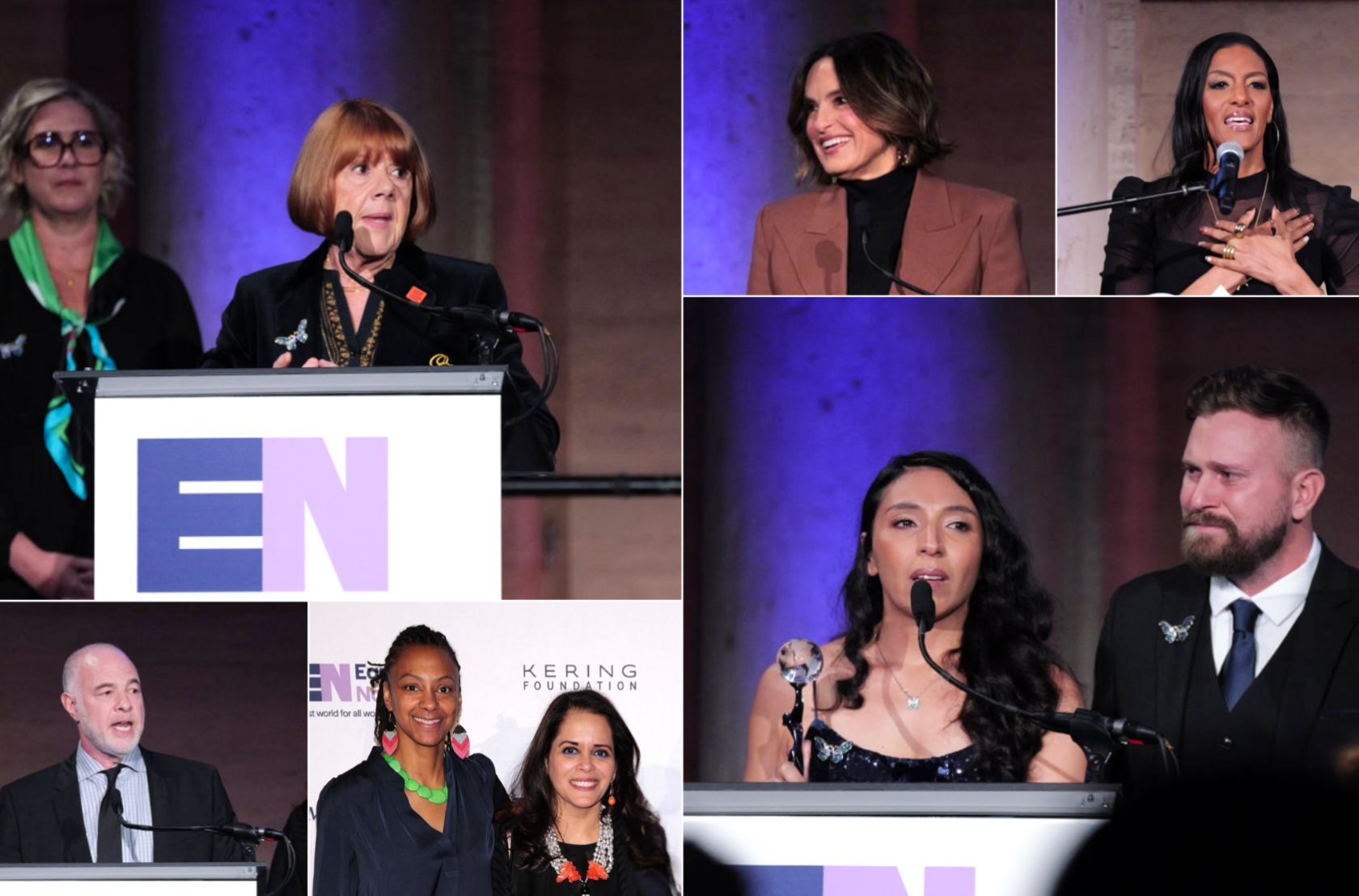
This question was at the heart of Equality Now‘s annual Make Equality Reality Gala, held in New York City on October 21 with the theme “Choose Courage.” The event brought together a wide range of voices committed to advancing equality through legal reform, storytelling, philanthropy and efforts to shift cultural attitudes.
It also honored Gisèle Pelicot, whose decision to make her sexual assault trial public sparked an international conversation about sexual violence and survivors’ rights, and her daughter Caroline Darian, who has become an advocate against drug-facilitated sexual abuse. The event also paid tribute to the late Virginia Giuffre, whose efforts to seek justice and hold powerful perpetrators accountable helped bring greater attention to sexual exploitation and abuse. Giuffre's brother and sister-in-law, Sky and Amanda Roberts, accepted her award on her behalf.
In conversations with leaders and changemakers connected to the event, I explored what choosing courage means, what is needed to advance women’s equality and where they find hope for the future.
Featuring interviews with: Caroline Darian, Sarah Jones, Jackson Katz, Gisèle Pelicot, Sky and Amanda Roberts, S. Mona Sinha, and Zakiya Thomas.
Portions of these interviews originally appeared at ForbesWomen.
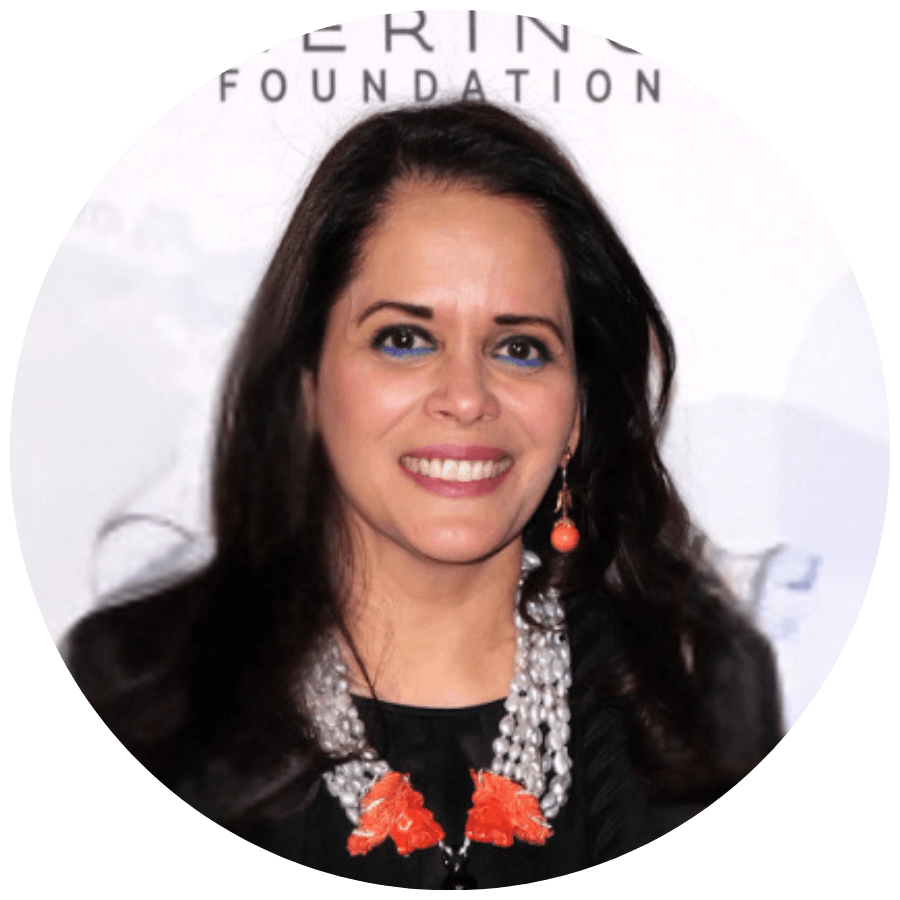
S. Mona Sinha
CEO of Equality Now
Schnall: From your vantage point leading Equality Now, where do you see the greatest opportunities right now to create lasting systemic change for women and girls, and what will it take to turn this moment into progress?
Sinha: The legal systems are the very foundation of change, because if women and girls don't have access to legal recourse, then there's really no way to get justice. So we identify laws across the world that harm or discriminate against women and girls, and that is our gold standard—to be able to change them one by one across the world. To date, we've done over 140 laws, but there are still many more to do.
The flip side of it is lived equality. It's great to have legal equality, but you have to make sure it translates into everyday lives. So flipping the narrative around what's acceptable is the other part of that. Storytelling is extremely important, sharing the lived experiences of survivors who are willing to share their stories. And being seen. You can't be who you can't see. So if you're a survivor really suffering from your experiences, if you see someone say something, it may prompt you to do that and also seek justice for yourself.
Schnall: Why did you decide that this theme this year of choosing courage was the right one? And how do we turn courage into lasting change?
Sinha: We see courage in our lives every day. We see the enormous pushback and backlash that is happening only because women have made progress. Women have stepped into roles of leadership, and people who don't want to see that push back really hard. We're seeing a huge rise in violence, no surprise. In the last week, we've heard of three campus rapes that have become public. There are multiple more that we haven't heard of. We see huge acts of hate around the world happening in this moment as we speak, and the people who stand up to that are really courageous because what they are doing is they're not giving in to fear, but they're using that moment to turn their fear into something much more positive.
The people we honor today are very big examples of that. Gisèle Pelicot could have had a closed-door hearing and not shared her story with the world, but she didn't. She said shame has to change sides, which is absolutely right. And the same with Virginia Guiffre. She endured years and years of abuse under a pedophile and an abuser and brought some very powerful people down. So we have to honor that courage and recognize that it takes a lot out of a survivor to step into those shoes and be “the brave ones.” We choose courage because we see courage everywhere. Some people feel hopeless about the situation we're in right now, politically and otherwise, but other people stand up for it. And I think that's what we aim to do at Equality Now.
Schnall: This moment feels both devastating—like the deluge of news that we're getting—but also hopeful because I feel like it's so outrageous that it's like a tipping point. Do you feel hopeful? Do you think we're at a moment where we're just saying this is enough?
Sinha: This is definitely a tipping point. I mean, let's face it, I have never seen it be this bad before. And in this moment in time, if we don't do something to reverse it, I don't think there's a hope for us to turn it around. I think many people feel that way. I think certainly the people who've shown up and come to this evening's event feel that way.
Each one of us can take an action, no matter how big or small, and that collective action actually does change things. There's been research around this. There was a very well-known Harvard study that was done on autocracy, which is what we're seeing in most parts of the world. And the only thing—surprise, surprise—that brings down autocrats is feminist movements. So let's start organizing. Let's do it. We follow in the footsteps of Gloria Steinem and others who stood before us. She lit our torches and we have a responsibility to take it forward.
Schnall: It feels very fitting that Gloria is being honored this year at this event. How does she connect to the theme of courage?
Sinha: Gloria was the ultimate courageous woman in our lifetime. She said things that everybody knew, but no one said. Even the founding of Ms. magazine was an act of courage. She has told me so many stories of how people tried to shut it down, but they persisted. And she would have loved this. She would have loved the theme of “Choose Courage.” She did last year love the theme of “Choose Joy.” It's both/and, right? We can be courageous, and it doesn't have to be fearful. We can be joyful as a collective. We can be joyful by organizing together. And we can have fun this evening and also do the right thing.
Schnall: You are such an incredible leader, and I think we both believe that the key right now is we need more women leaders. Why is women's leadership important right now? And what can we do to elevate women's leadership?
Sinha: Women make up more than half the world, so to not have their voice and their thoughts and their designing of systems is actually a huge flaw in the ecosystem. Because by leaving women out, you leave out their creativity, you leave out their connection to community, you leave out their really intentional effort to make the world a better place and to believe in the common good over personal gain. We're not seeing that right now. We have research that shows, for example, in peace and security issues, when you have women making those decisions, those decisions and adherence to those treaty bodies last for 15 years longer. That's significant. And 35% more likely to be successful. So why don't we have women in the peacekeeping rooms right now? I don't see a single one. Not in the Middle East, not in Africa, not anywhere around the world where there is conflict. To me, that's a huge problem.
If you remember, Madeleine Albright said there's a special place in hell for women who don't support women, and I think as women, we should all have our lists of people we support and people we recommend. So when people are looking for leaders, recommend them. Pull out your list and tell them who to pick. That's how we're gonna get it done.
Schnall: What Equality Now does is also fostering collaboration and working across borders, across all these differences and issues. It's individual leaders, but it's also all working together. Why has that been such an important part of Equality Now's philosophy?
Sinha: We work in bringing the gold standard international human rights law to each country in which it's enforced. But the reality is that the women of the country, the people of the country, need to own it and need to make sure that the law is enforced, make sure that justice is served, make sure the procedures are followed and champion that among the people that they elect. This is why we work in coalitions. We don't go into any country where we don't have a coalition of leaders on the ground who work with us. And we work with them, as well, to make sure that the laws are fit for purpose, they're written with a gender lens, they're executed once they're passed, and we rally for them.
We also work up and down the justice system to make sure that different pieces of the justice system are well versed in what needs to be done. So we have standard operating procedures in case of sexual violence, for example. And that's not just with police or judges and so forth. It's also with journalists. It's also with the medical teams that look after a survivor. So it's really important to connect all the dots across the ecosystem because this is not an individual isolated problem—it actually involves many sectors, many industries, many people. And the more that they're aware of a survivor-centric approach to justice, the longer that law will last and the better justice a survivor will get.
Gisèle Pelicot
Survivor, Author, Advocate
Schnall: I can't think of anybody who deserves this honor more than you. You made the extraordinary, courageous decision to make your experience public and insisted that shame belongs with perpetrators, not survivors. What do you hope your decision has changed for other survivors? And what still needs to change to have society respond better respond to sexual violence?
Pelicot: I wanted to help ensure that shame change sides by making my trial public. It is not for victims of sexual violence to be ashamed; it is for the aggressors to be ashamed.
We have to realize that it's a real scourge of society, this violence against women. We have to encourage our governments and our judicial systems to change the laws. But we also, in addition to changing laws, have to change mentalities.
Schnall: Absolutely. As part of that, what advice do you have for other survivors on finding courage and resilience the way that you have?
Pelicot: They have to seek out help. You cannot do it alone. You have to trust yourself and overcome fear. Those are the most important things: to seek help, to trust yourself, to allow yourself to regain your confidence and to overcome your fear.
Schnall: What is your call to action?
Pelicot: We have to give more power to women. They need to be able to be in positions of decision makers and encourage more women to be in positions of authority where they can make change. And we have to do it together with men because we have to work together, we have to live together, so we have to make that change together and move forward.
Schnall: Examples like yours give me hope. What gives you hope?
Pelicot: What gives me hope is wanting to move on and get on with my life. Also, being with my loved ones, being here tonight with my daughter, all the work she's doing to help raise awareness—that gives me hope as well. I've always had this love of life, and I continue to cherish that.
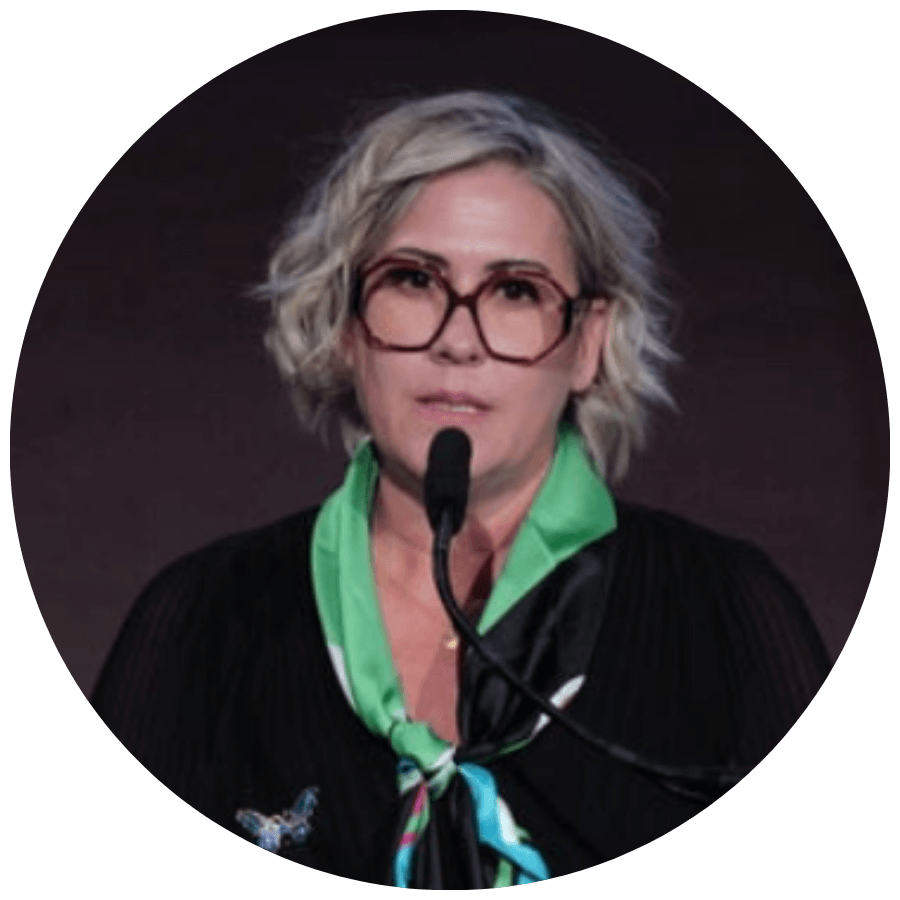
Caroline Darian
Activist, Founder of M’endors Pas, Daughter of Gisèle Pelicot
Schnall: You’ve transformed an unimaginably personal experience into advocacy around drug-facilitated sexual violence. What have you learned about turning personal pain into action—and what change do you most want your advocacy to help bring about?
Darian: What we lived and had to face within our own family, I realized that we could make that thing even wider, and I really wanted to make something big for society. This cause was not really recognized back in 2020, so I really wanted to drive awareness about chemical submission and drug facilitated abuse. I knew that we could do something bigger than us.
Schnall: What change do you think is most urgently needed at this moment?
Darian: To drive awareness to people that if they have a doubt, they need to investigate the doubt. They need to collect any kind of evidence they can, so this can go through toxicological analysis, drugs, urine tests, blood tests, heart tests, but also digital proof. Because as a victim, we often don't have the right reflex to keep everything that we can, to be recognized as a victim in front of the law, regarding the court, regarding justice. So it's really difficult when you don't have enough proof as a victim. And my mom was an exception. Most of the time, victims do not have enough proof to be able to prove their own situation.
Schnall: What do you hope is the message or the legacy of your mom and her story?
Darian: I think now victims know more than ever that they are not alone and they are supported—even if it's not from the inside of their own family, they can find some support outside of their own family through people like us. And I think they understand that it's a collective movement that is operating right now.
Schnall: Are you feeling hopeful? Do you think we’re at a moment where that can be real change?
Darian: Yeah, everyone has to be hopeful. I think we are at the turning point, but we still have a lot of work to do and a lot of engagement from everybody. It's not only about women, it's also about men and the young generation. It's also about our children. I have a son, he's 12, and we must also engage them within that kind of movement.
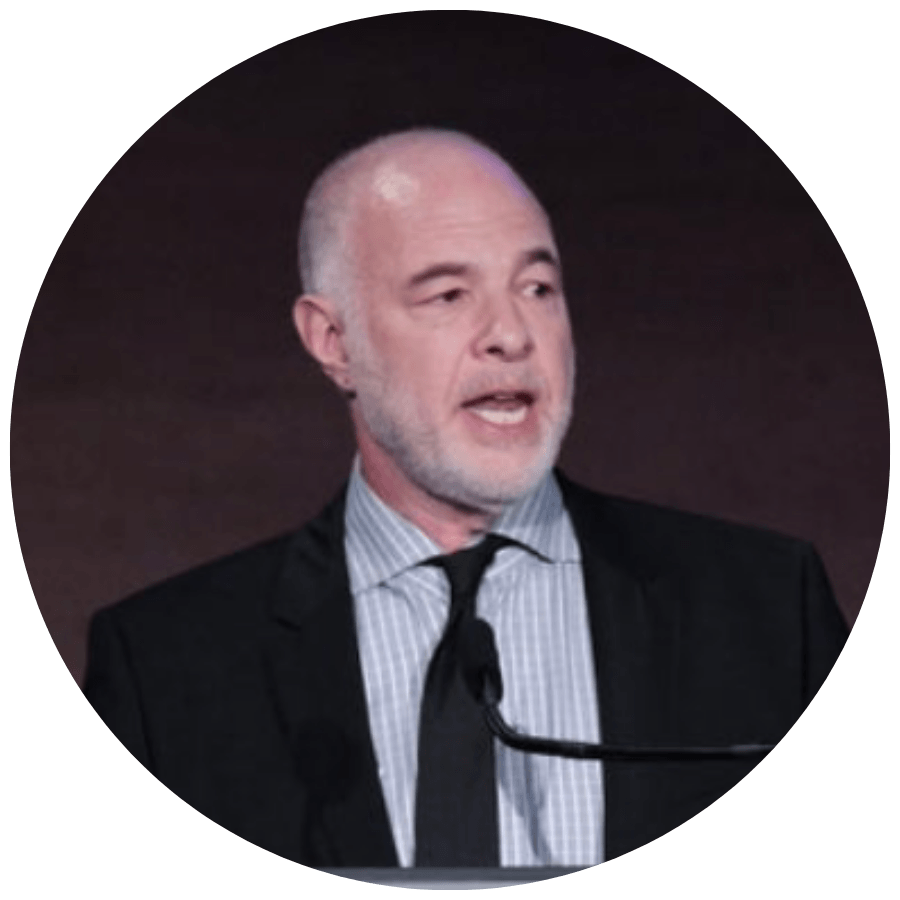
Jackson Katz
Author, Educator, Creator of The Man Card documentary, Cofounder of Mentors in Violence Prevention
Schnall: I think it's very important that these are not framed as women's issues. And it's very important that men also see issues that have to do with gender-based violence and women's equality as something that men should care about and should be involved in. Why is it important that men be part of this conversation and this movement, and how can we make that possible?
Katz: I think the global game changer in the field of gender violence prevention is defining it as a leadership expectation, not a hope, which means men and women and others—but I'm focusing on men at all levels of cultural, institutional, political leadership—shouldn't be asked to help out on this matter. They should be expected as leaders to lead on these matters, and they need to have the competencies to do that. It shouldn't be optional. We shouldn't be waiting for men to show up. We've been doing that for 40 years plus, and a small number of men do, and I'm happy to say I'm one of them. But that's not transformative. We need to say, if gender equality is a social priority, and if reducing men's violence against women is a social and political priority, which it should be, then our leaders should have the capacity to lead.
So, for example, we can’t just say to men, “You need to lead,” without telling them how—teaching them and training them and expecting them to be in the rooms and reading the books and taking the courses. And overall, historically, it's overwhelmingly been women who are taking the courses in college and in graduate school, listening to the podcasts, reading the books, doing the work, having the conversations. Where are the men?
When it comes to men's violence against women, it's obvious why men should be involved. Men are the ones doing the vast majority of the violence. Men continue to have the majority of social, economic and political power in the world. And the fact that men haven't met the moment is one of the great failures of our species. And it's got to change.
Schnall: What can we do? How can we show men why women's equality and women's safety should be important to them other than just being the right thing to do?
Katz: If men care about democracy, they care about women's rights, period. End of sentence. Fascists don't care about women's rights. If a man says that they care about democracy, then they should support women's rights, period. No debate. Women's rights are part of democracy, and promoting democracy both in the United States and all over the world means promoting women's rights and women's equality, period. And if you're a man, you have an important role to play in that.
I say we need to call men in to leadership, call men in to be part of the solution. Yes, we need to call out and hold accountable individuals and institutions that are causing harm, absolutely. But to think more hopefully, I think we need to call men in to being part of the movements for justice.
And feminism is Justice 101, and of course it has to be intersecting with racism and anti-racism and anti-LGBTQ and everything else. But let's be honest, around the world, the rise of fascism, the rise of authoritarian governments, is hand in glove with the suppression of women's rights and women's aspirations and LGBTQ rights and aspirations. And those of us who are men, who happen to have some privilege, have a responsibility. If we say we care about democracy, we need to be standing arm in arm with these women, not just in the back of the room and not just silently supporting women, although that's important. I think we need men powerfully in the public space saying, "This is not okay."
And young men and boys who are growing up with incredibly negative and harmful models of masculinities in media, like in the manosphere, in the porn culture, in the absence of public leadership from men—not just in the family, but in the society at large—in the absence of that leadership, how do we expect young men and boys to provide it?
Like the Cornell thing, for example. The reason why this has become such a huge moment is because there were 50 guys who could have intervened and didn't. So it wasn't just about individual pathology; it was much bigger than that. Just like, by the way, the Gisèle Pelicot case, which was called Mr. Everyman in French media, which is the name of my book, Every Man: Why Violence Against Women Is a Men's Issue. And I often say the name of my book isn't “some men who abuse women,” it's every man because every man has a responsibility. Because a lot of men will say, "I'm a good guy. I don't rape women. I don't harm women. I'm a good guy. You need to talk to those guys.” That's like saying about racism, if you're a white person and you're not burning crosses on people's lawns and attacking people of color, then racism isn't your problem. It's a silly argument.
A lot of men will say, "Because I personally don't do these things, it's not my issue." And I'm trying to say we have to shift our thinking. But ultimately it's accountability at the institutional and political level. This isn't about running from one broken man to the next and figuring out what went wrong with him. It's about changing institutional and political accountability. And that means electing feminist women and men at all levels of decision making. It means bringing voices to the table who haven't been there and, especially in this case, women's voices. And in the current climate, authoritarian movements are trying to suppress women's voices, which is why they're trying to intimidate women from the public space through threats of violence, which is another way that men in abusive relationships use power and control by threatening violence if they don't get their way. This is just taking the micro and putting it on the macro stage.
Again, men who are in public life need to be talking about this all the time and not just in response to when women are bringing it up. Because I think that's another way that men use privilege inappropriately, which is they wait for women to be the ones to initiate the conversations, to organize the panels, to make the point at the meeting or stand up and say something at the conference. Men need to take those initiatives. And I'm not completely cynical about this. I think that it hasn't been tried yet. Men's leadership has been sitting there, and I think a lot of men have been coming forward recently and in my lifetime, and I've been doing this work for a long time. I think there are more men today who are ready to hear this, but I think that being ready to hear and being aware is not the same as taking action. We need action.
Schnall: What advice would you have for men in finding the courage to be an ally?
Katz: For one, I would say the reason why men don't speak up is because it takes courage. So we have to reframe it. The guy who speaks up actually has more guts than the guy who remains silent. The guy who remains silent, I mean, I always say, if you're a guy, being "one of the guys" takes nothing special whatsoever. Going along with your boys, going along with the group, like Cornell, what I'm supposed to be impressed by these guys? I would have been impressed if one of those guys had said, “Guys, this is wrong. We’ve got to get out of here.” That's an act of leadership. So I would say framing it in a positive and aspirational way and saying we need more men and young men who have the courage and strength to do this is the way to go.
But I have to say, it's not fair to put the pressure and the burden on young guys, like high school students or 20-year-old college students, to be leaders if they don't see adult men taking those risks in our peer cultures. So the message really is not necessarily just to young men and boys, it's to adult men. It's like, come on guys, we need more from you. Use your voice, use your influence and don't just stand in the back of the room cheering the women on. Do that, but also stand up and say, “Guys, there's another way to be a man. You can be strong and supportive of women. In fact, strong men support women's rights.”
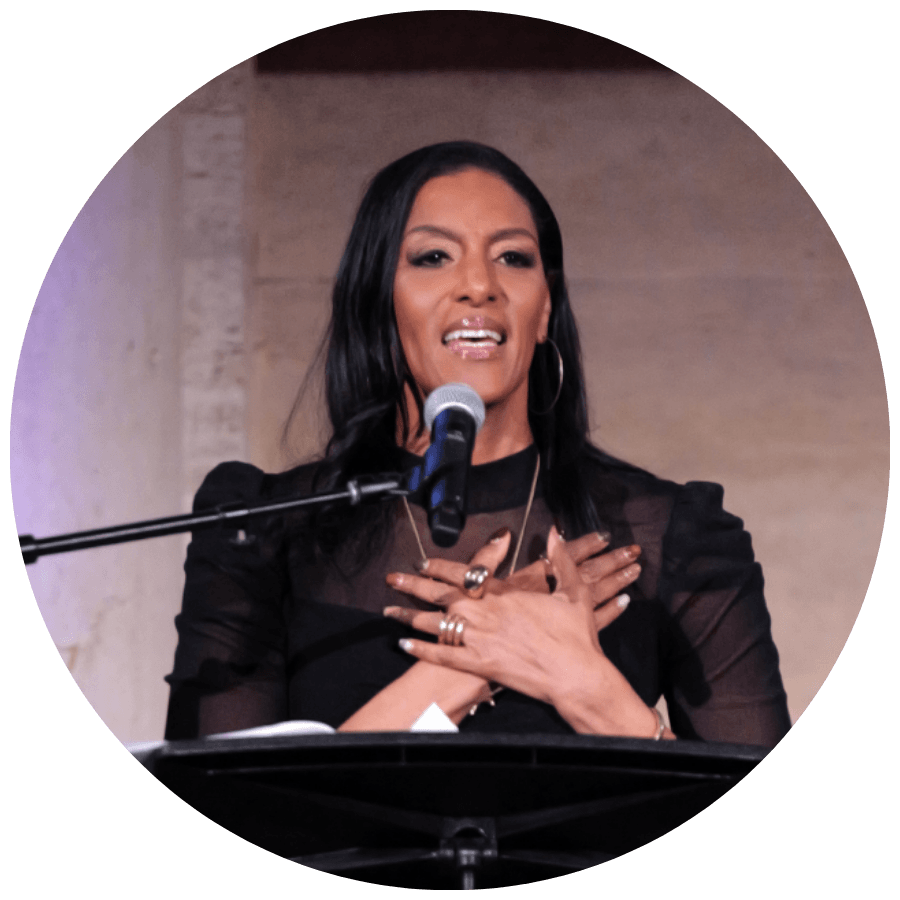
Sarah Jones
Performer, Storyteller, Host of America, Who Hurt You?, Founder of Foment Productions
Schnall: You've spent so much of your career using storytelling and art to illuminate issues that can otherwise feel overwhelming or abstract. What role can storytelling play in changing not only hearts and minds, but ultimately culture and systems?
Jones: In this moment—especially as our democracy is in a state we've never seen it—we think that it lives and dies by the ballot box, but actually it lives and dies by the box office. It's the movies, it's the television, it's the social media narratives, the stuff we grow up on, the theater—these stories shape who we are in ways that policy can't, and they help drive policy.
Like Ms. magazine wasn't a legislative movement, it was culture, it was storytelling, writing, giving women their rightful place in a world that was refusing to let them in. And the next thing you know, policy moved to follow what the storytellers demanded.
So I think storytelling shapes our entire society and everything else follows.
Schnall: We are in a moment where it feels especially challenging. There are so many women's rights under threat, and we're just hearing all of these very discouraging stories. At the same time, I'm wondering whether this feels like it's also a tipping point. Do you feel hopeful that we're at a moment where we're finally saying enough is enough and that real change is possible?
Jones: I feel like we've been at so many tipping points, and many of us know from history, because of people like Gloria Steinem, how bleak it's been, how the suffragists, some of them didn't live to get the vote. They fought for it and died before they could cast their vote. I feel like I'm holding all of it at the same time.
There are organizations lifting women and girls and femmes in a way that policy refuses to, and that's encouraging. And I had to found my own company. If there was space for all of us, I wouldn't have created Foment. And then my own company enabled me to develop 'America, Who Hurt You?,' which is a show that some of these guys in charge wouldn't care about, but women do, and now I'm finding lots of people do.
So we find each other and our strength outside of the traditional channels in ways that gives me hope. It gives me hope now that we're just forced to band together, to find each other, to stand up our own kind of cultural institutions, literally. And I only know how to do that work because I've watched other people do it through treacherous times that I thought I would never see. All the documentaries I've watched, all the books I've read, I thought, “Wow, that must have been really hard for them.” Well, I'm glad they gave us the blueprint because now we have to do it, too. So I am tired, but I'm hopeful.
Schnall: The theme of tonight is courage. What does it mean to you to choose courage, and how can we transform that into actual lasting change?
Jones: So I mentioned ‘America, Who Hurt You?’ It's a show that evolved out of my hope that we would have a particular election outcome in 2024. And I think those of us who woke up wounded, but more determined than ever to see new outcomes, to face what we're facing and change it, that courage is contagious.
Like Equality Now. I have a company because Equality Now showed me that sometimes you have to sit down at your kitchen table and build the thing that will change the laws or change the narratives. And women do that. We literally are creating those things because of the people who showed us it can be done. And that takes incredible courage.
We're living in a time when the word “women” is like contraband, so you have to stand up to what can feel insurmountable. The root of the word courage is “cor,” it's the heart. I'm not saying that we're the only ones with heart, but we're flexing ours. It's a muscle, and we're flexing it.
Zakiya Thomas
President and CEO of ERA Coalition and ERA Coalition Forward
Schnall: What would it mean for women and girls in their everyday lives to finally have constitutional equality through the Equal Rights Amendment, and what do you believe it will take to make that vision a reality?
Thomas: When I think about constitutional equality, I think of my nieces and the young women like them who are in college, playing sports and building their futures. Like me, they have those opportunities because of Title IX. But Title IX is a law, and the past few years have shown how quickly laws can be weakened. Equal pay, a fair shot at school and work, and access to justice for women who have been assaulted or harassed should not depend on who holds power. The ERA would place those protections in the Constitution, where they cannot be quietly taken away. Many people don’t realize the ERA has already been ratified by the 38 states required. Making it a reality will take Congress affirming it and Americans making clear that they expect nothing less. Equality is not a partisan issue. It is good for families and good for business, and every member of Congress should hear that from their constituents.
Schnall: What role do you believe women’s leadership can play in shaping a more equitable future, and what needs to change to ensure more women have the power to lead?
Thomas: Women’s leadership changes what gets prioritized. When women lead, issues like child care, equal pay, health care and safety are no longer treated as "women’s issues" but as the economic issues they have always been. The women leaders I know also bring others up with them, widening the circle of who gets to lead next. Women have never lacked talent; they have lacked access. Expanding it means funding women-led organizations and campaigns, supporting paid leave and child care, and putting equality in the Constitution, so women’s leadership rests on a foundation that doesn’t shift with each election.
Schnall: At a time when it can feel as though we’re moving backward rather than forward on women’s rights, what gives you hope?
Thomas: Progress has not been steady, and we have lost ground that matters. But across the country people are paying attention again; coming together to make sure all of our rights are protected. I also take hope from the students I meet on campuses. They are not waiting for permission. They are organizing, asking hard questions and treating equality as non-negotiable. Every movement for rights has endured periods that felt like retreat. The movements that succeeded were the ones that kept going, and that is exactly what we intend to do.
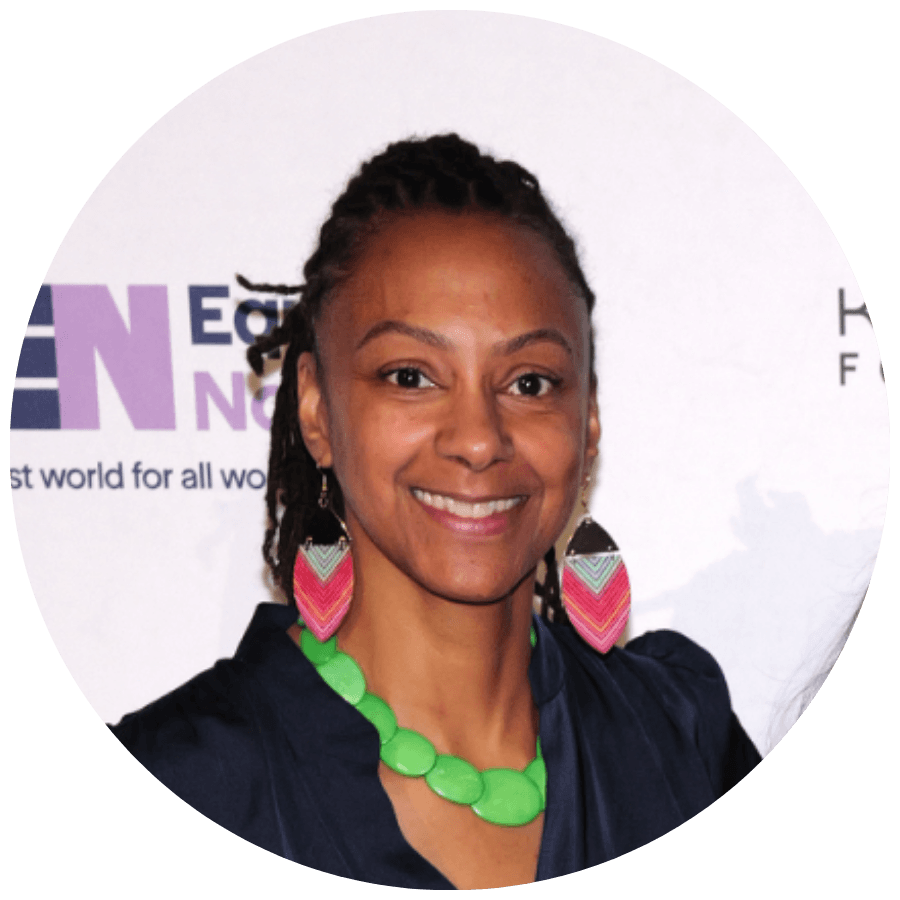
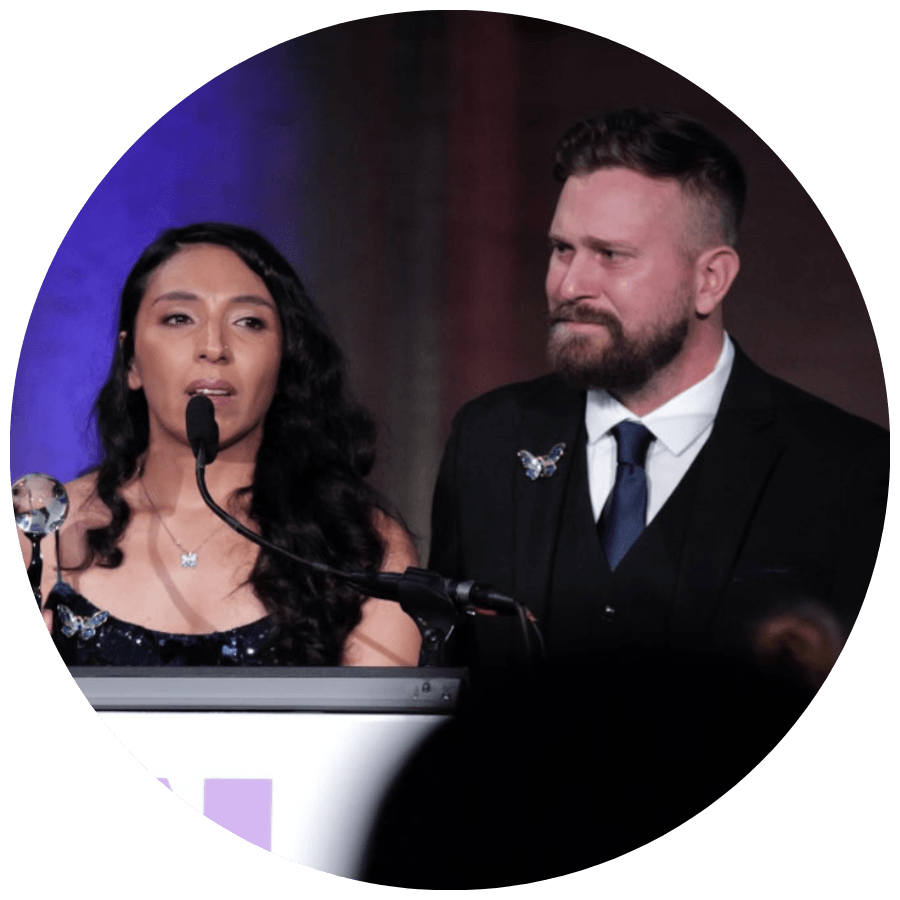
Sky and Amanda Roberts
Virginia Giuffre's brother and sister-in-law, Advocates, Board members of SOAR (Speak Out, Act, Reclaim)
Schnall: So thank you so much for being here and for all that you both are doing. The theme of tonight is courage, and Virginia was so emblematic of everything that is about. What would you want people to know about the change you're fighting for and that you hope will happen in terms of her legacy?
Amanda Roberts: Virginia's legacy, and Sky's been saying it all day long, is a very heavy torch to carry. It's very heavy. And I think we're carrying this together. I think stepping forward as her family has proven and has shown survivors all over the world that there is a community for you. I think our hope with her legacy is to really push for a few things. With her organization SOAR (Speak Out, Act, Reclaim), we have the privilege of relaunching that this year. But it really is to answer the question for survivors, "What happens to me now?" And filling that gap for them to live successful lives, providing resources, legislation is going to be a huge part. We are looking at Virginia's Law, and will hopefully be able to pass that this year, so the public can have their eyes out on it. We'll be releasing a call to action on it and how they can call their representatives.
I think the most beautiful part of Virginia is that she believed that survivors could heal in many different ways, and bringing this sense of community survivors. Our hope is to really bring a different type of healing. We want to do retreats for survivors every year that look at alternative methods of healing and giving us space and community and soft landing. So there's a lot. But Virginia had big goals, and it's our journey and our hope to accomplish them for her, for ourselves and for every single survivor out there to change the culture for them.
And the most important thing I think she would want is, and this saves survivors' lives: believe them. That is saving their life. Believe them the first time. And if we can start there, there are so many things we can do.
Schnall: Do you feel hopeful that we're getting to a point now where we're at a tipping point? And what do you think it will take to actually achieve the kind of change that needs to happen?
Sky Roberts: Virginia would say “keep going” because she was always cautiously optimistic. She always had a positive outlook about, “If I just keep pushing and I go this one step further, maybe I can get there this time.” And I share that same belief; I think when you keep going, you take a page out of their playbook. A part of their playbook is to intimidate you, to try to distract you, to try to make you feel alone. And I think if we can take that page out of their playbook, and we just keep pushing forward and we remind ourselves that alone we're afraid, but together we are feared, that we will accomplish that goal.
And I do believe that this administration, unfortunately, has not been the most supportive of survivors. I think there are some bad players within it and we need to expose that system. The only way to do that is to keep going and to not give up and don't allow that old page out of their playbook to continue. Because if we take that one out, we can affect real change. We can take down a prince, a president, a prime minister. Virginia said it best that unfortunately this is about something more than just abuse, it's about corruption.
Schnall: The theme of tonight is like choosing courage. Virginia spoke out, and that takes a lot of courage. Where do you think that came from in her that we can all be inspired by?
Amanda Roberts: I think with Virginia, she talks a lot about having her daughter and that was the spark. But to be honest, I think Virginia was always kind of built with this courage. Unfortunately, she experienced abuse at a young age. And instead of it turning her against the world, which you can so easily do, she chose to be a fighter. And she spent her entire life protecting people that she loved. She protected her brother, she protected her family, she protected her daughter. So courage was almost an instinct that Virginia lived by because it was the conviction of truth. I think when you have that truth by you, there's nothing in this world that can tell you anything different. And she lived by that. When she had her daughter, this switch turned on for her that was always inside of her. And I think we all possess a point of courage in that way because it's about the truth and knowing that it's the right thing to do.
Schnall: Do you feel hopeful?
Amanda Roberts: I do feel hopeful. I know that's so hard to say. We just have been through so much these past almost two years and losing her the way that we did, it can really pull you down. And there are moments where I want to scream into the void, and I do. But then I get right back up and do it again because if we do nothing, nothing changes. And I have seen a lot of hope in the people and in the culture shift. Even the spotlight that we're seeing right now with Cornell and the outrage, people are waking up to that. So I'm hopeful because there is an appetite for change and there is an appetite to fight corruption.
To find out more about Equality Now and its work advancing the rights of women and girls around the world, visit equalitynow.org.