
The State of Feminism
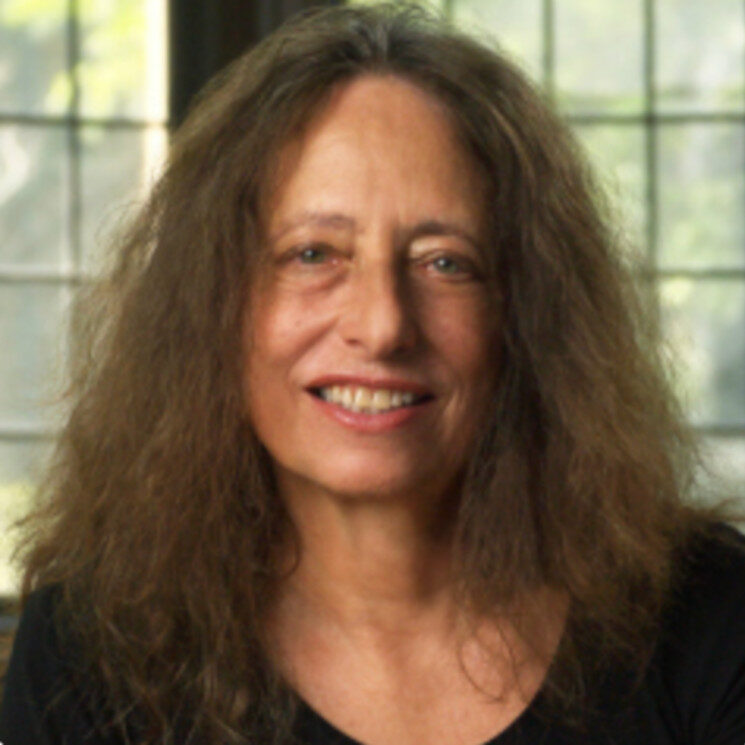
Carol Gilligan
Professor of Humanities and Applied Psychology NYU | Former Harvard psychologist | Author of the landmark book In a Different Voice: Psychological Theory and Women's Development | Feminist.com advisory board member
Someone figured it out: that feminism was the problem. It was the biggest threat to patriarchy. Somebody figured it out and went after silencing women. I really do believe feminism is the movement to free democracy from patriarchy. And we are seeing, I'd like to think it's the death rattle of patriarchy, but it's pretty desperate and pretty vicious. Above all, it's after feminism.
The other thing that strikes me is I think they would love to get rid of women because we're a real threat. And particularly if we are with each other, we are a majority. The problem is they can't do with us what they are trying to do with people of color, which is just to get rid of them, because they need us to be here. So they have to then silence us. That's my analysis of what's going on now: that somebody figured out feminism is the problem and there is this incredible attempt to keep women from saying what we know in our hearts, what we know firsthand from our experience.
And it starts with girls. My current research project, I'm back in school with girls, and my project is called Breaking the Bargain, meaning the bargain that patriarchy makes with women that if we won't say — I mean, I'm sitting here next to Gloria who has always said just what she thought, and Gloria is the most generous person I know. Anytime I've asked Gloria for anything, she always says yes. It's just amazing. And she says what she thinks. So the fact that the bargain is that if we don't say what's in our heart, if we don't say what we know firsthand, if we don't say what we really think or how we actually feel or what we would say if we were to be honest, then the world opens its coffers to us. And it's a bad bargain because it leads to depression, silencing the self, and it undermines democracy because then you can have women vote and it doesn't make any difference.
I think this is exactly where we need to be: with each other, with feminism. And I think it's a huge fight. I would say this is really a battle worth fighting, and we need to be very smart about how we're going to fight it.
Since I’m working with girls again, I wanted to say that we all start out [trusting our own voice]. So we all have within us that honest, outspoken girl who says what she thinks. One of the things that's on my mind right now is, as more opportunities are open to women, there's more to lose. This is not my work, but someone did a survey called the Girls Index. It's something like 40,000 U.S. teenage girls. There are two questions: Do you not say what you really think and feel because you want people to like you? And the second question is, do you not disagree when you in fact disagree because you want people to like you? So this is 2017, it's higher now, 46% of teenage girls said, yes, they do this. Now, when you go to the girls who have straight-A averages, it goes up to 62%. Those are the girls who have more to lose because they get judged.
So that's why this project I'm involved with is called Breaking the Bargain, because that is the bargain that patriarchy makes. This started, and as a matter of fact, this very generous woman funded this work, and I talked about the bargain in a room full of women who had been very successful in the money world and so forth. And everyone in that room knew about the bargain that she had made. We all could talk about it, and we don't usually talk about it. And then, what would it take to break that bargain?
I think that that's where we need to come together and develop strategies because the incentives and the pressures on girls are just huge. I tell this story, I was in Japan and I was on a train going from Kyoto to Tokyo, and a graduate student had offered to accompany me. I said to her, "Nobody loses their voice," which I do believe. And she asked, would I write that in her notebook? She opened her notebook, and I said to her as I wrote it: "Nobody loses their voice; people silence their voices, and it's always for a good reason." That voice is in all of us, it's in all women. How do we call it forward and how do we stay with each other? There are always repercussions. If you do speak your mind. There are. And the girls know that.
These remarks have been edited for clarity and length.