
The State of Feminism
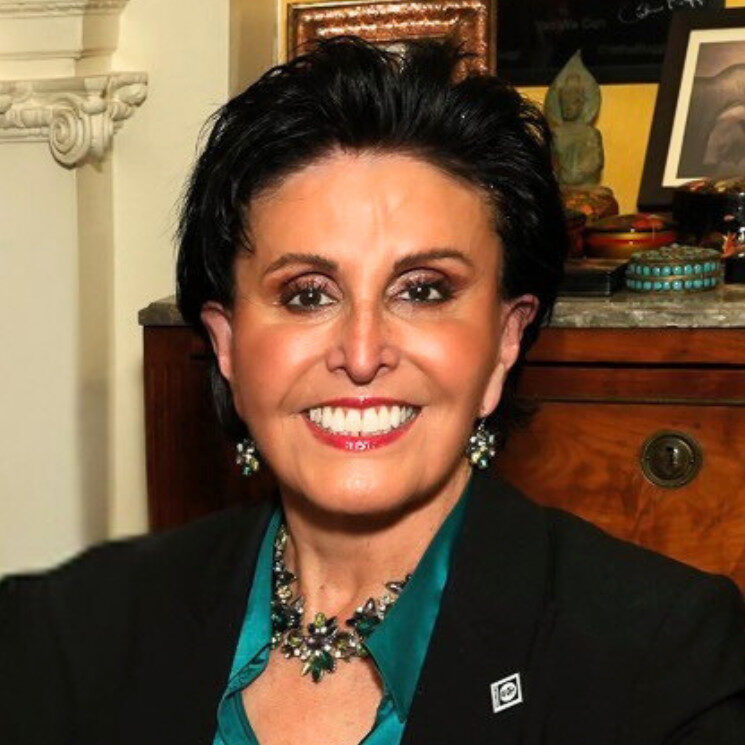
Laura Esquivel
Civil rights, LGBTQ+, Latinx, and environmental activist | Senior legislative representative at Earthjustice
The question is a really important one, because I'm not thinking about these things in my day-to-day life of just trying to survive. I came out 54 years ago; over half a century I've been an out lesbian, so patriarchy hits a little differently. The concept of bodily autonomy. As a lesbian, I have been gang raped to try to get the gay out of me. So 54 years ago, I was part of the Lavender Menace in my own way, fighting to be included in this movement. So intersectionality — as a lesbian, as a woman of color, as a descendant of immigrants — it is much more than a concept. It's not a theoretical concept for me. And I love that more and more people are embracing that, or at least considering it and trying to integrate it into the work that needs to be done.
But what I do now is environmental justice, and the connections between environmental justice and feminism and patriarchy, that the patriarchy sees women and nature as things to be controlled. And the disproportionate impacts of that on women around the world, particularly in the global South, but here too, need to be part of feminist thought and feminist fights. So that's what I do now: the connection between patriarchy and capitalism that drives what is happening to the planet. These billionaires, watching them just take over more and more and more, that is terrifying for me. I want to be hopeful. I'm going to take some of this hope because it's pretty terrifying. Obviously we need feminism.
These remarks have been edited for clarity and length. Portions of these remarks appeared at Women’s Media Center.