
The State of Feminism
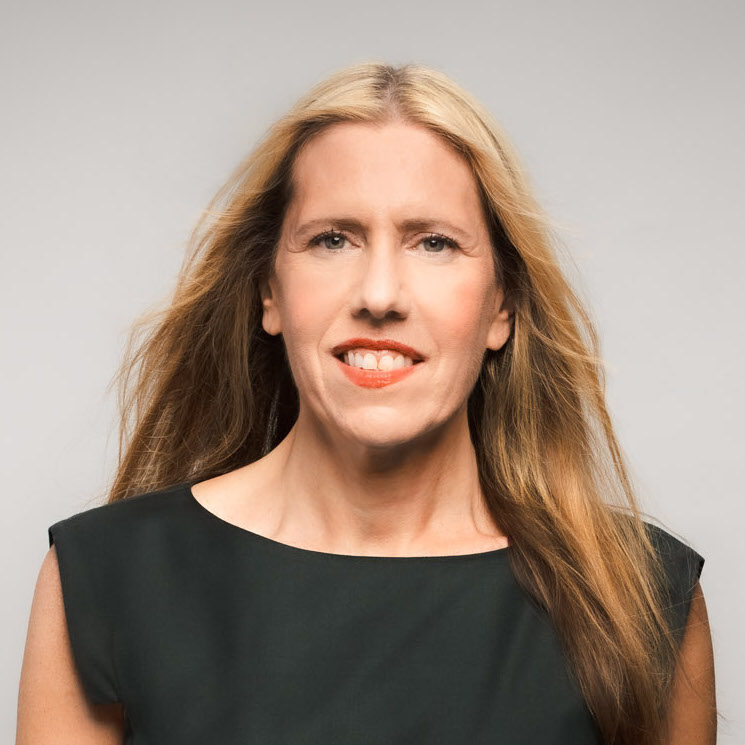
Marianne Schnall
Founder and executive director of Feminist.com | Founder of What Will It Take Movements | Journalist | Author | Host of ShiftMakers podcast
It's hard to believe that we launched Feminist.com 30 years ago, back in the very early days of the Internet when all the pages were gray, Netscape was the only browser, and only 15% of Internet users were women. At the time, most people in organizations didn't even have a computer, much less access to the Internet or a website. So we are proud to have provided the very first web presence to a variety of important women's organizations, many of whom are represented here tonight, like Equality Now and V-Day and the Ms. Foundation.
As you know, this salon ties back to the very first salon on the State of Feminism we did back in 2012 in this very same space. And while we've seen real and meaningful progress over the decades, we are also living through a period of serious pushback and regression, along with a growing misunderstanding of what feminism actually is. We're seeing a dangerous rise in anti-feminist narratives, including the idea that women and feminism are to blame for many of the challenges facing society today.
The problem certainly isn't feminism — it's the inequitable systems that we live within. Feminism's work has always been about transforming those systems to create a more just and equitable world for everyone. This moment is especially urgent because gender equality and the rights of so many marginalized communities are not just under threat, but actively being rolled back.
Over the 30 years since I founded Feminist.com, the media landscape has transformed entirely. The Internet and social media have done good things — they’ve helped amplify voices and accelerate awareness. But we know that the Internet has also fueled division, misinformation, and algorithm-driven distortions of truth, which I think is something that is very concerning. So we've gone from a time when most people didn't have computers or access to the Internet to a social media landscape dominated by billionaire tech owners, where viral influencers and podcasts spread deeply harmful messages, many that are encouraging people to reject feminism altogether, often without grasping the real meaning or purpose of feminism.
That's why this feels like such a critical moment to reclaim the narrative and to use every megaphone we have to remind people what feminism is — and what feminism isn't — and why it remains essential for making meaningful change and what collective action looks like in this moment. And also to spread the truth that we all know, which is why we've all remained passionate and committed to this work: feminism is for everyone. Feminism benefits everyone. It centers our common humanity. It works to ensure that all people have the freedom and the support they need to make their own life choices and fulfill their true calling and potential. As I was reflecting back on our 2012 salon, Carol Gilligan said this so powerfully: "Feminism to me is one of the great liberation movements in human history. It's the movement to liberate democracy from patriarchy."
I've also come to understand that there are many lenses and feminisms, and this room is filled with so many leaders to remind us of what intersectional issues are that are part of the feminist movement. And I feel so honored that I have so many women who've literally helped shape my understanding of feminism in this room, including Gloria Steinem and Kimberlé Crenshaw, who coined the term intersectionality. To me, that is the most important framework for everything right now.
I'm truly so blessed and sustained by the wisdom and solidarity of the people that are in this room. It's been an incredible community and I know that in times like this, I am so grateful for the amazing community that we are all a part of. I want you all to know that as we did back in 1995, when Feminist.com rose up to meet the moment and find innovative ways to uplift feminist voices and organizations, we are recommitting ourselves to that same mission 30 years later and looking ahead 30 years to serve the community in any way that we can and to continue to amplify feminist voices and organizations as a multimedia hub for intersectional, intergenerational feminism.
We at Feminist.com are committed to doing everything that we can in this moment — using tech and innovation and collaboration — to step up and lift up this whole collective movement. This is only the beginning in my head of the next 30 years of what we can do.
These remarks have been edited for clarity and length.