What Gloria Steinem’s Final Memoir Can Teach Us Now: Leaders Reflect On Her Life And Legacy

By Marianne Schnall / Category: Activism, Culture, Inspiration, Women's Rights / Resource Type: Initiatives
Leaders, activists and longtime friends of Gloria Steinem reflect on her final memoir, An Unexpected Life, sharing the wisdom, lessons and the enduring legacy of a feminist icon.
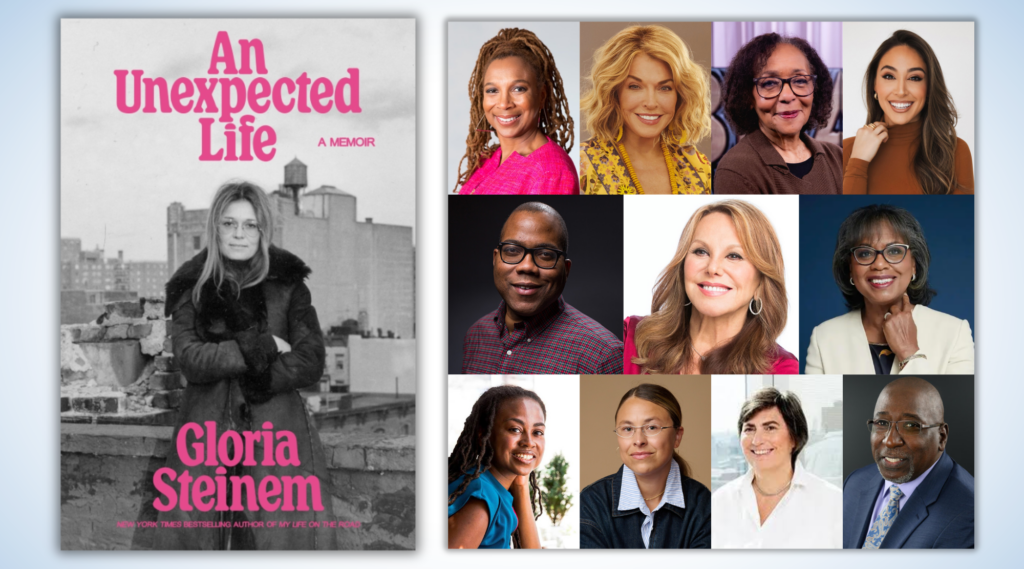
Gloria Steinem’s final memoir, An Unexpected Life, has become a New York Times bestseller, an especially poignant milestone for a book published just weeks after her death on September 2, 2026.
I had been scheduled to interview Gloria about the memoir on October 7. After her passing, I wrote about her extraordinary life and legacy, drawing on more than three decades of knowing, interviewing and learning from her. But I also found myself thinking about the conversation we never got to have and how I might still help uplift the enduring wisdom and ideas she wanted to leave us with.
In An Unexpected Life, Gloria looks back at the experiences and relationships that shaped her, while also reflecting on the work still ahead. I reached out to a diverse group of influential leaders, activists, writers and longtime friends and collaborators who knew Gloria, worked alongside her or were influenced by her life and activism. I invited them to reflect on Gloria’s legacy and share a passage, theme or lesson from An Unexpected Life that most resonated with them that they feel is especially relevant today.
Their reflections offer a deeply personal window into Gloria’s life, the wisdom she shared in her final book and what we might carry forward. Through themes of hope, courage, listening, shared humanity and collective action, these voices illuminate why her words and ideas remain so relevant and how they might continue to inspire and guide us in the years ahead.
Featuring insights from: Jimmie Briggs, Kimberlé Crenshaw, Anita Hill, Carol Jenkins, Pat Mitchell, Jessica Neuwirth, Ky Polanco, Tony Porter, Danielle Robay, Marlo Thomas and Jamia Wilson.
This article originally appeared at ForbesWomen.

Marlo Thomas
"Gloria had a real gift for expressing purpose through imagery, and in An Unexpected Life she evokes an image that resonated with me: the circle.
Gloria held the belief that the most human societies were built not as pyramids but around circles—starting at the dawn of civilization, when villagers sat around campfires and told their stories, resolved conflicts and shared dreams. Gloria felt that looking into each other’s faces was not only the most peaceful way to resolve differences, but also the most equal—with no central dais or raised desk. She saw the talking circle as a more compassionate way to communicate than through anger or violence.
I remember in the ‘70s, sitting in many of those circles in Gloria’s living room—back then we called them consciousness-raising groups—and I think part of her legacy lies in the thoughts and purpose and action that came out of those circles. In a meaningful gesture, Gloria bequeathed her brownstone apartment as a place where these conversations could continue, providing us a simple template for how to live our lives in the fairest and most fulfilling way: not by looking up or down at each other, but rather eye to eye."
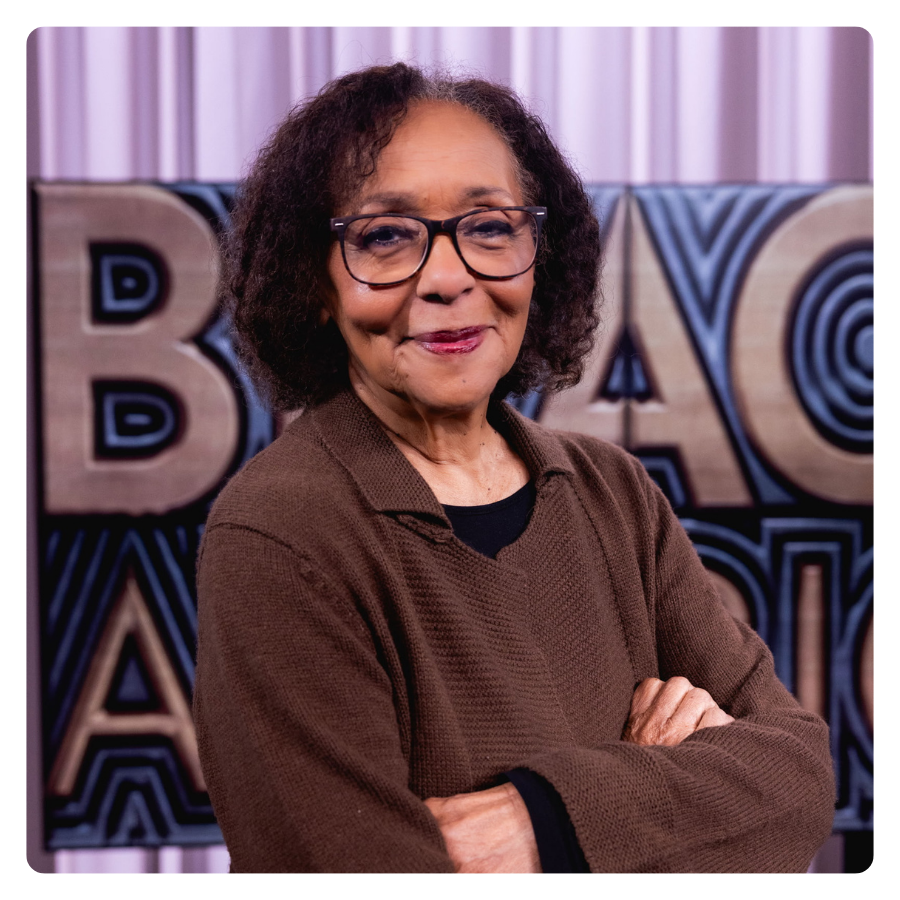
Carol Jenkins
"Very early in her final book, Gloria says pretty specifically what her goal is: 'I would be happy if my words here contribute to each reader finding a unique life that also has universal value.'
Reading that, I felt it was the summation of her philosophy. Having lived one of those spectacularly unique lives, wishing that for others. Whatever the stories to follow may be, here was the central point. Find yourself, declare yourself. Accept it and receive the other as and where you find them.
In An Unexpected Life I see her most clearly doing that as she relived her childhood. In this book, going deeper into the poverty, distress, neglect, a child caring for a parent, Gloria had every reason to be angry and judgmental. Instead, she describes her parents as just 'big on hope, but short on cash.' And we all know she, too, was high on hope.
First, I underlined that short sentence. Then I folded a piece of paper, as Gloria’s mother had taught her as a child, into the shape of a reporter’s notebook. I wrote the words down—and have carried that thought, that piece of paper, with me since Gloria’s death, since the publication of her last book. Her final instructions for life."
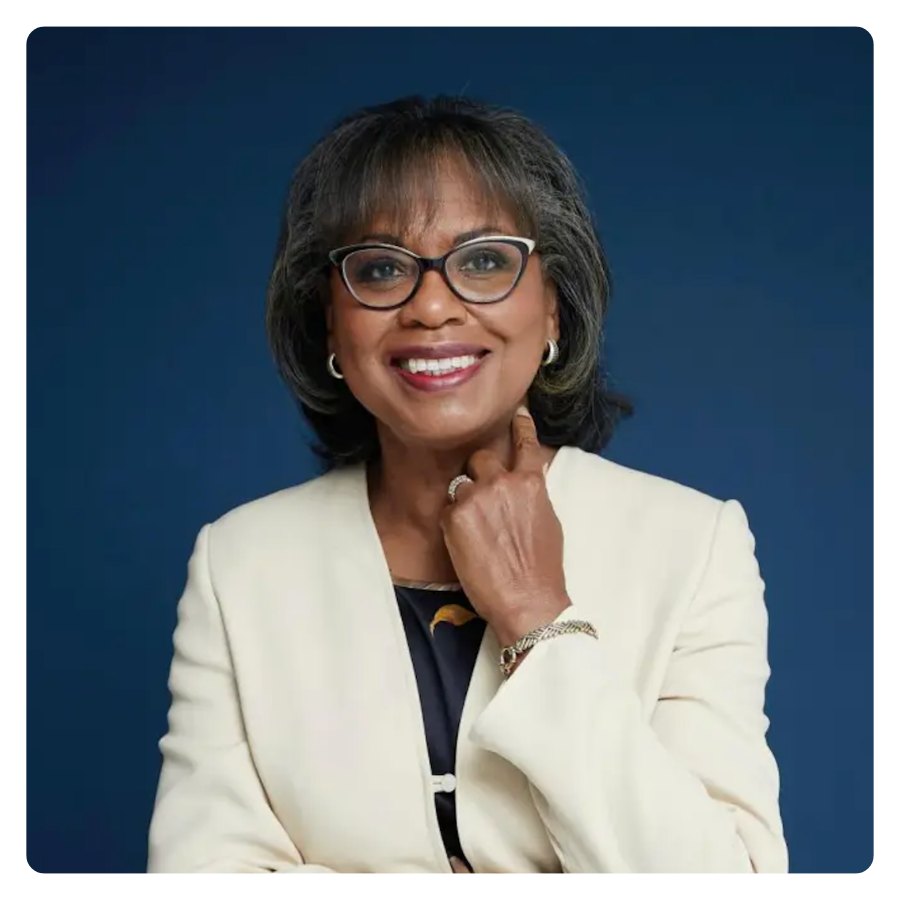
Anita Hill
"An Unexpected Life is a clarion call for each of us who knew Gloria Steinem to be brave and hopeful throughout our lives. Reading about Gloria’s family and childhood, I’m struck by Gloria’s understanding that 'the most important thing for [her] mother was belief and behavior in the democracy of the future.'
Gloria’s mother and my own were peers in terms of their ages. And they were also similar in their faith in the possibility that their children would have meaningful participation in a 'future democracy' that would somehow be better than the early 20th century democracy. It takes both hope and courage to bet on the future when one suffers the many ways the present disappoints. But Gloria wagered her unbridled hope and compassionate advocacy and won. She never gave up on the idea that we, as a society, might someday understand that good comes from appreciation of our shared humanity and that shared humanity is essential for real democracy.
Gloria Steinem earned the unexpected life that she lived and that she graciously shared with others. And we are fortunate to be able to carry her message forward."
Pat Mitchell
"When I first met Gloria Steinem in 1974, I was a young television journalist in Boston with an ambitious idea: an all-day women’s event that would air live programming designed for women, about women, produced and hosted by women. My boss agreed, provided I could convince Gloria, whom I’d long admired but never met, to come to Boston and take part. I wrote to invite her, and she came, bringing Florynce Kennedy and other movement leaders with her. More than 25,000 Boston-area women showed up to celebrate progress and to share learnings and experiences.
What has stayed with me all these years is that Gloria didn’t have to come. She already had a national platform, and I was someone she didn’t even know. But she understood something fundamental about building a movement: we have to show up for one another.
I remember talking with Gloria and Flo Kennedy that day about how powerful women could become if we supported one another at every opportunity. That conviction became a guiding principle of my life and work, as it was for Gloria.
In An Unexpected Life, we see how profoundly Gloria’s own journey was shaped by the people she encountered and the relationships she nurtured. My story is one small example of how she did the same for others—helping us recognize our power, imagine new possibilities and understand that lasting change begins with showing up for one another."
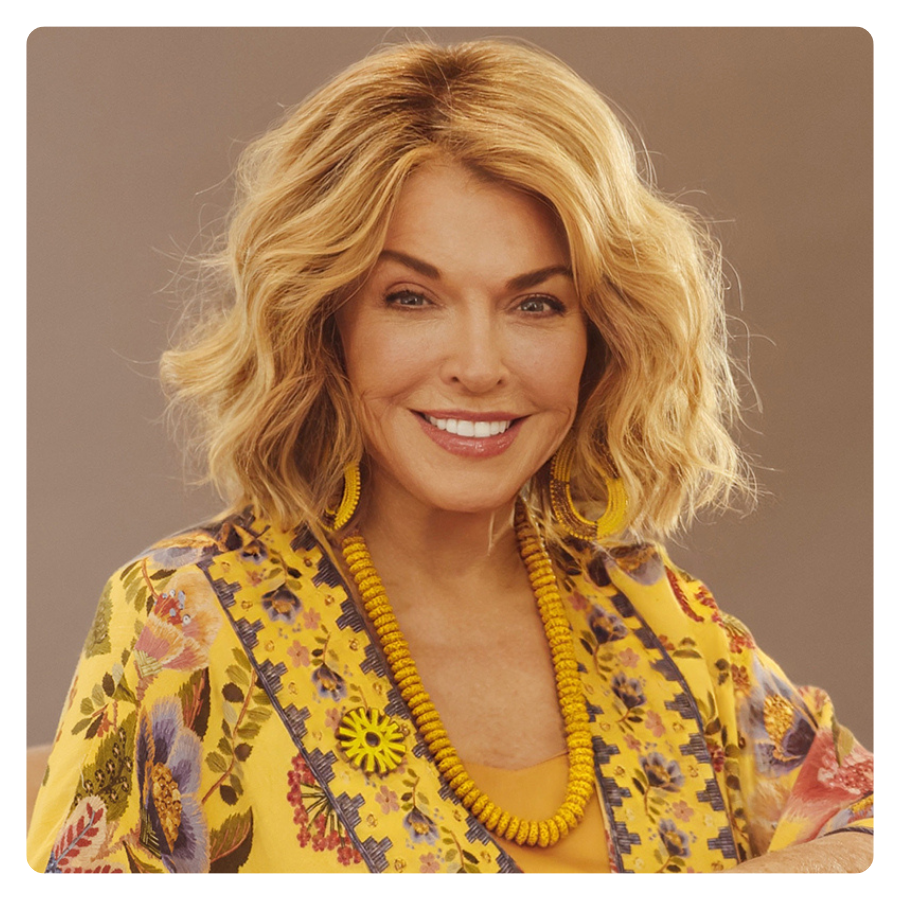
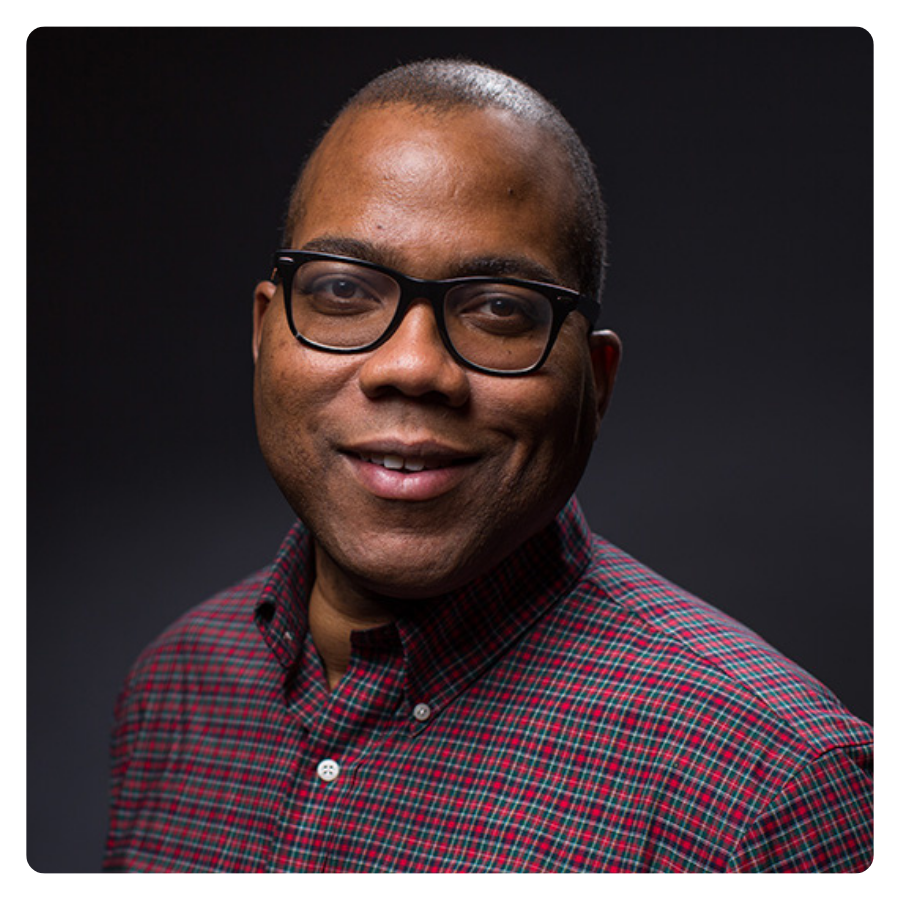
Jimmie Briggs
"As a writer-activist, and someone who began grappling with profound health issues in early middle age, I viscerally responded to Gloria’s observation that 'even painful events can be grist for the mill of understanding and for writing…. Though we tend to measure events as good or bad, pleasurable or painful, the more meaningful measure might be: What did I learn?'
Given the personal challenges she faced growing up and saw throughout her adulthood, particularly her formative years in India after college, Gloria resolutely maintained a gratitude for her journey from which I draw light and affirmation. She saw and stood amidst a hell of a lot of social and cultural sturm und drang, but to the very end was appreciative of the historical period in which she lived.
That gaze to me is so fundamentally critical at this moment of poly-crises when too many of us are succumbing to despair, cynicism and apathy. The work of liberation and healing for the least of us will always be there, which Gloria knew better than most. I think she was trying to tell those in the struggle now and generations behind us that we must stay undeterred and continue."
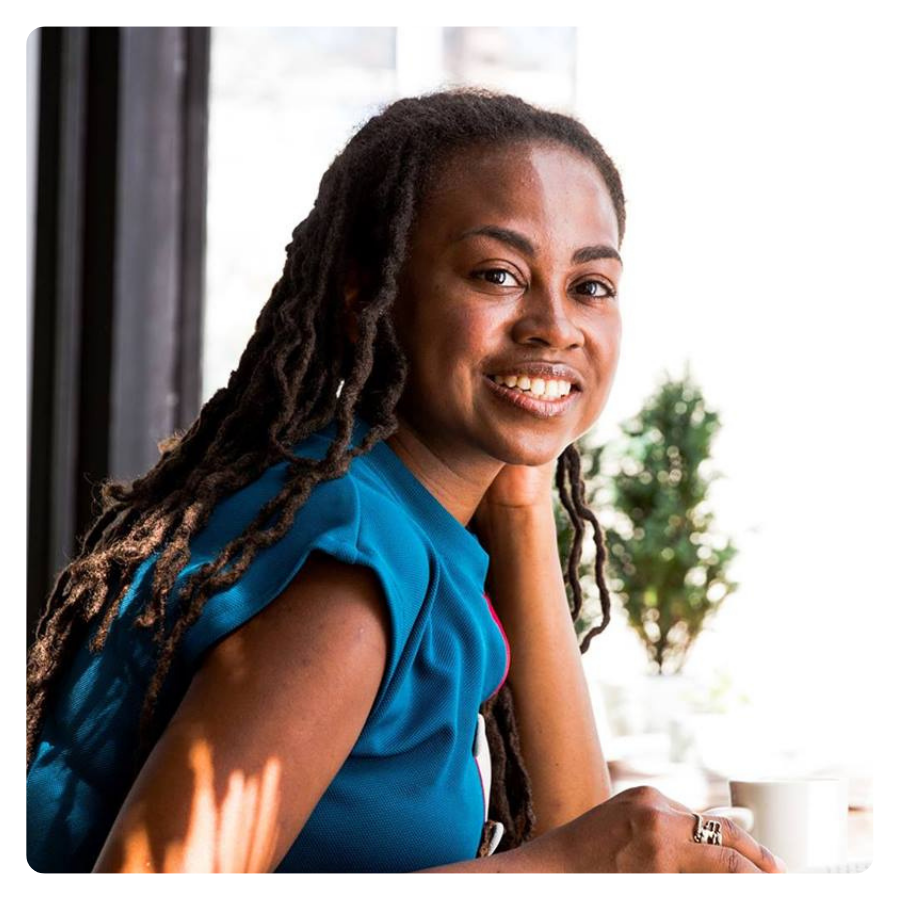
Danielle Robay
“'I never learned how to ‘orate,’ Gloria writes, 'but I did learn something even more valuable: how to listen.' Gloria Steinem was one of the most quoted women of the last century, and she believed her greatest skill was the one nobody quotes.
It shaped her whole life. In India, she sat at village campfires where people who had suffered finally told their stories. Decades later, she was still filling her living room with talking circles. She believed movements began there, with someone sharing their truth and someone else answering, 'I thought only I felt like that!'
Listening requires a humility our culture rarely rewards. It asks us to accept that our understanding might be incomplete. In my time with her, Gloria never needed you to agree with her to be interested in you. Her curiosity wasn’t a strategy for persuasion. It was a form of respect.
We have never had more ways to speak, or fewer people who feel heard. Gloria’s legacy reminds us that listening isn’t the pause before change. It’s where change begins."

Jamia Wilson
Activist, writer; vice president and executive editor at Penguin Random House; editor of Gloria Steinem’s An Unexpected Life
"In 2004, Gloria helped Planned Parenthood campus organizers prepare for the March for Women’s Lives. I was 23, learning what solidarity means. I was rattled because some people in power who looked like me were enabling authority figures who were passing laws that harmed women and people of color like us. I asked Gloria how to make sense of it, and she helped focus my ideas on organizing and action.
While editing An Unexpected Life, I often thought of that day. Gloria wrote that “ideas change history” and recalled 'the ripple effects from the pebbles we tossed into the stream.' Over twenty years, some of the pebbles we discussed and worked on became policy wins and cultural change. And some brought a brutal backlash. But, as always, she reminded me, 'If we hadn’t had a front-lash, we wouldn’t have a backlash.'
Today, I’m moved by her devotion to 'making the invisible visible' and by her clarity that all 'systems of dominance' are 'rooted together, and must be uprooted together.' Gloria writes that people of all ages learn from each other 'not as mentors and mentees, but as equals who offer unique value.'
I’m still tossing pebbles and hope she sees the ripples from beyond. Now I’m sometimes the older one in the room, side by side with the next generation. I try to put her wisdom into action. As she said, 'We are linked, not ranked.'”
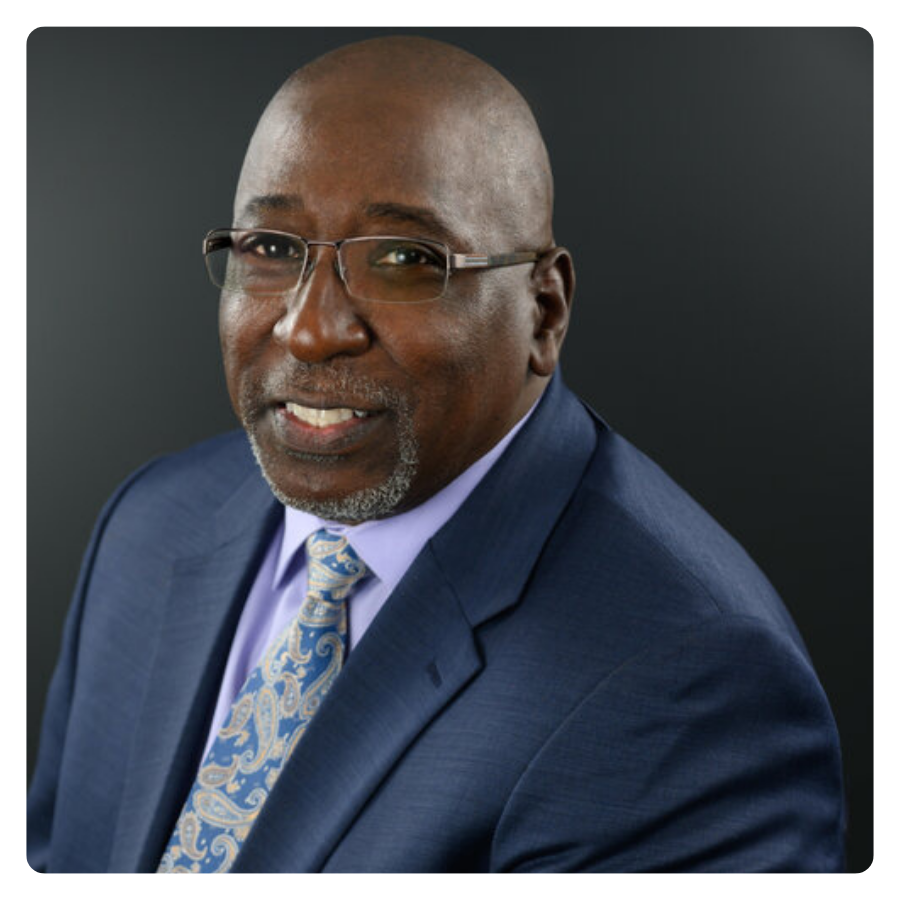
Jessica Neuwirth
"An Unexpected Life captures Gloria’s spirit in many ways. In talking about Victoria Jackson, she notes, 'Kindness is the most important quality on earth.' She also says, 'There is nothing more basic or radical than telling the truth and listening to others do so.' Gloria was honest and kind and helpful to everyone she met.
We had just started Equality Now in 1992 when a friend of mine dragged me, young and shy, to a press conference Gloria Steinem was doing. Afterward, she literally pushed me in front of Gloria, and I told her what we were trying to do: create an Amnesty International for women that would use the techniques of the human rights movement to work to end human rights violations against women. Gloria listened intently, looked at me and said simply, 'That sounds like a good idea. How can I help?' Gloria lent her name and credibility to Equality Now in those early days, and it made all the difference.
Over the years, with Gloria’s advice and collaboration, we started Frontline Women’s Fund, the Gloria Steinem Equality Fund to End Sex Trafficking and a new constituency for the Equal Rights Amendment, which led to the creation of theERA Coalition. Gloria served on the boards of all of these organizations. I travelled with her to Nepal, Zambia and India, as well as frequent visits to Washington D.C. and the UN. She was fun to be with and always ready to help in any way she could.
Among much else, Gloria taught me that you can and should support many organizations, that we are all connected and that we should collaborate rather than compete. She was truly transcendent, and a much-needed feminist role model for all of us."
Tony Porter
"As I read through Gloria’s memoir, the theme that continued to come up for me was the importance of embracing the humanity of all people. You can’t help but connect with the diversity of her experiences and the people she encountered along the way. Many of these experiences took place long before she took up the mantle of feminism. I believe they helped Gloria recognize how people’s identities and experiences shape the injustices they face, and how our struggles for dignity and equality are connected.
Gloria’s quest was not just for gender equality, but for the humanity of all people. I believe this is why she embraced the work of engaging men in the fight for gender equality long before it was popular in many feminist circles.
I am eternally grateful to Gloria Steinem for her leadership and for creating space for men like me to have a welcome seat at the table in the fight for gender equality."
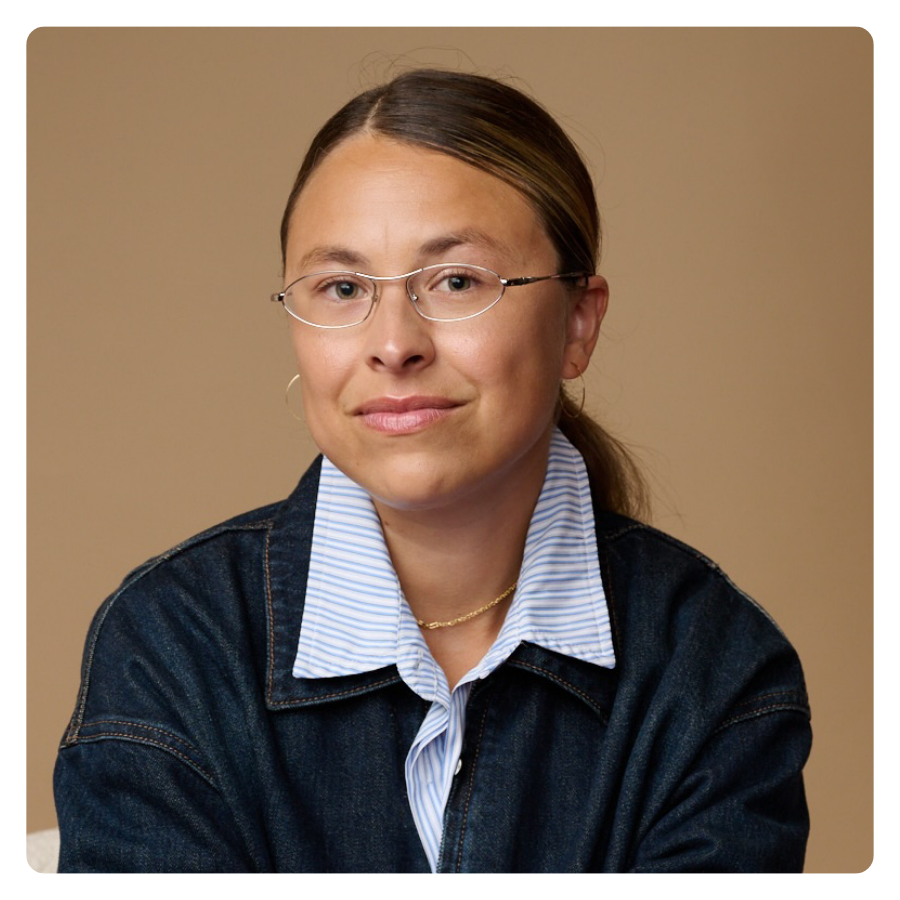
Ky Polanco
"Gloria Steinem never asked to be the face of feminism. Patriarchy created the lie that a 'feminist' looks like a white woman, but we’ve always known that liberation for all requires the full diversity, intersectionality and multitudes of people moving in it. Gloria used her platform to center others, so no one ever mistook her for the whole movement and this is how she did it:
- She never spoke publicly about the women’s movement by herself; she shared stages with Flo Kennedy, Dorothy Pitman Hughes, Wilma Mankiller and others.
- 'When starting any group, large or small, wait until the founders look like the group they will be representing…. Better to start later and right than fast and wrong.'
- My favorite, she learned from bell hooks: 'If you can buy shoes together, you can organize together.'
Gloria lived her values interpersonally and treated her comrades as family. I see myself as a steward of the movement Gloria fostered with her friends. To meet this moment, we have to take a cue from Gloria and fight isolation through meaningful connection and a commitment to care, empathy and sharing joy and laughter together. What’s the point of this work if we aren’t nurturing friendships along the way?"
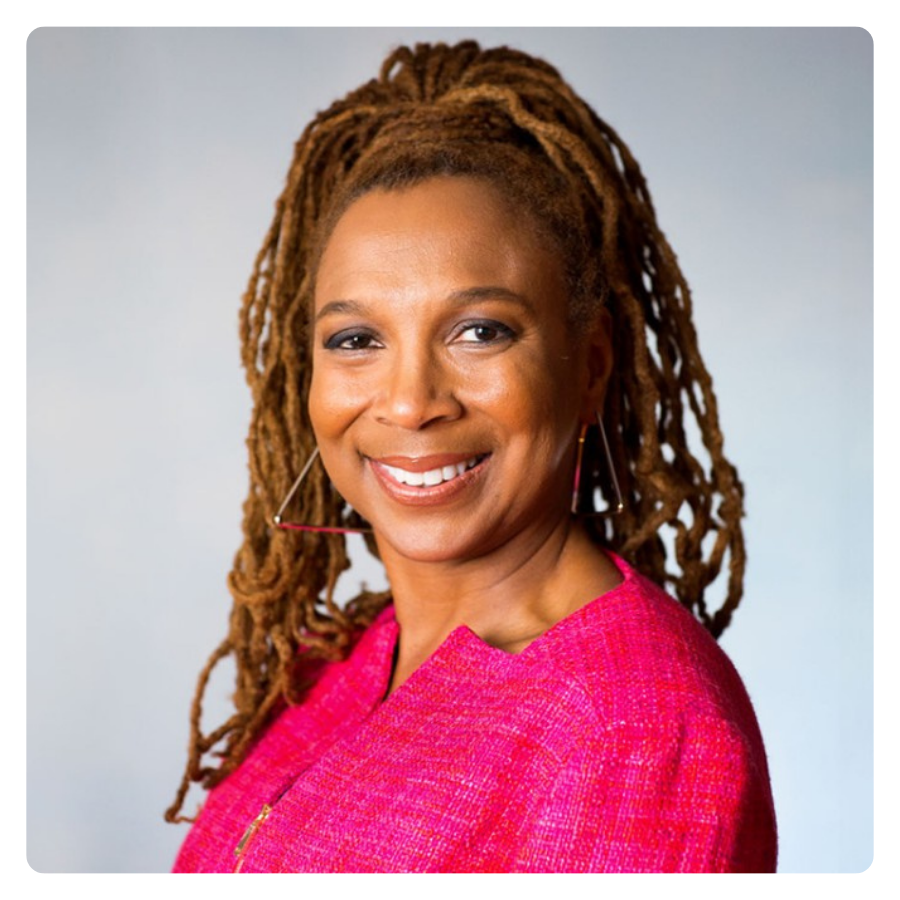
Kimberlé Crenshaw
"One of the lessons of Gloria Steinem’s extraordinary life, reflected in her book, is that feminism must continue to evolve, informed by the people we encounter, the struggles we share and what we learn from one another.
As we survey the vast storehouse of practices, experiences, insights and projects Gloria bequeathed to us, I want to lift up a few gifts to celebrate her legacy. First, there is the concrete knowledge about women’s conditions, including the myriad issues Gloria learned from Black feminists. We don’t have to guess about this; Gloria said so. Dorothy Pitman Hughes brought childcare and community organizing into her feminism. Johnnie Tillmon made welfare and poor mothers’ economic survival feminist issues. Flo Kennedy connected sexual abuse and reproductive freedom to race, law and power. Gloria stood ten toes down with Black feminists, even when others abandoned their feminist sensibilities in the face of sensitive race politics.
Second, Gloria knew she had power and worked to redistribute it to those who didn’t. She used her access and visibility to move resources toward Black feminist work. As she wrote in An Unexpected Life, 'If it’s all white, it isn’t feminism. By definition, feminism includes all women—and all people.'
Lastly, Gloria understood that feminism had to evolve without giving up on women. Yes, difference matters. The question is what difference difference makes. For her, difference in opinion or analysis was never the opportunity to end the conversation. It was the beginning. She could argue with you, listen, laugh and come back for more.
What remained constant is that women matter. That patriarchy is real. We are all subjects of it and all stakeholders in dismantling it.
The last time I saw Gloria was at an intimate gathering at her home, where I was given a bracelet bearing one of her favorite phrases: 'We are linked, not ranked.' I’ve worn mine proudly ever since, knowing that we will remain linked in our politics, in our consciousness and in our heart."